If you’re looking for a refreshing, flavoursome, gut-friendly, low sugar alternative to soda, fizzy drinks or even alcohol, you’re in the right place.
Kombucha rules! And the rhetoric of naysayers from five years ago, who predicted our fascination with the tangy fermented beverage would go out with a pop, has fizzled away.
There are now dozens of kombucha makers across the UK, who’ve perfected their art to a tee (or should we say tea?).
Gone are the old-gen wave of too-tart, vinegary experiments that lingered on the lower shelves of wholefood stores. Today’s kombucha brands are invigorating and healthful, while packing a punch in flavour.
If you haven’t had the opportunity to try kombucha, and are on the fence about dabbling, we’ve got all your questions covered. But before we get stuck in, let’s answer the burning question: What exactly is kombucha?
Essentially, kombucha is a type of fermented tea, made by brewing black, green (or even premium white) tea leaves with sugar and a live culture known as a SCOBY (Symbiotic Culture of Bacteria and Yeast). In the fermentation process, the yeasts and bacteria in the blend convert added sugars into acids and carbon dioxide. This alchemy results in a gently bubbly drink with a sweet/sour profile.
Kombucha is thought to have originated in China at least two millennia ago, being adopted later along key trade routes, and fast picking up popularity in parts of Eastern Europe before the rest of us cottoned onto its flavour and health benefits over the last 20 years.
Kombucha FAQs
Is kombucha good for your gut and is it healthy?
Many think so, but this is largely anecdotal. Fans of kombucha say its live bacteria and organic acids make their gut feel more comfortable, and aid digestion. This depends on your lifestyle and overall diet though. On the health front – it's certainly considered a healthier drink than the average fizzy product as it’s far far lower in sugar and usually made with purely natural ingredients, with no added preservatives or colourings.
Are there probiotics in kombucha?
Yes, in unpasteurised, raw kombucha as the pasteurisation process kills off live bacteria. Look at labels as raw kombucha is thought to be more beneficial, and some brands add probiotics in after the brewing process.
Is there caffeine in kombucha?
There is caffeine in kombucha, but only a very small amount – much less than in tea or coffee.
Does kombucha contain sugar?
It largely depends on the brand. The majority of sugar is digested by the bacteria in the brew, but residual amounts will remain – typically 2-8g per 100ml. It’s best to check the labels. Certainly kombucha is lower in sugar than most other soft drinks.
Is there alcohol in kombucha?
Kombucha contains very trace amounts of alcohol because it’s a fermented drink, but the majority come in at less than 0.5% ABV, which is legally considered alcohol-free in both the UK and USA. Kombucha is a good alternative to alcohol.
Do you need to store kombucha in the fridge and how long does it last after opening?
You should store kombucha in the fridge after opening so it doesn’t ferment further or over carbonate. It also maintains the flavour and safety.
It’s best to drink it within a couple of days, sealing it tightly. If your kombucha (once opened) starts to smell really vinegary and sour, or has visible fuzzy green mould growth, throw it away.
7 of the best British kombuchas
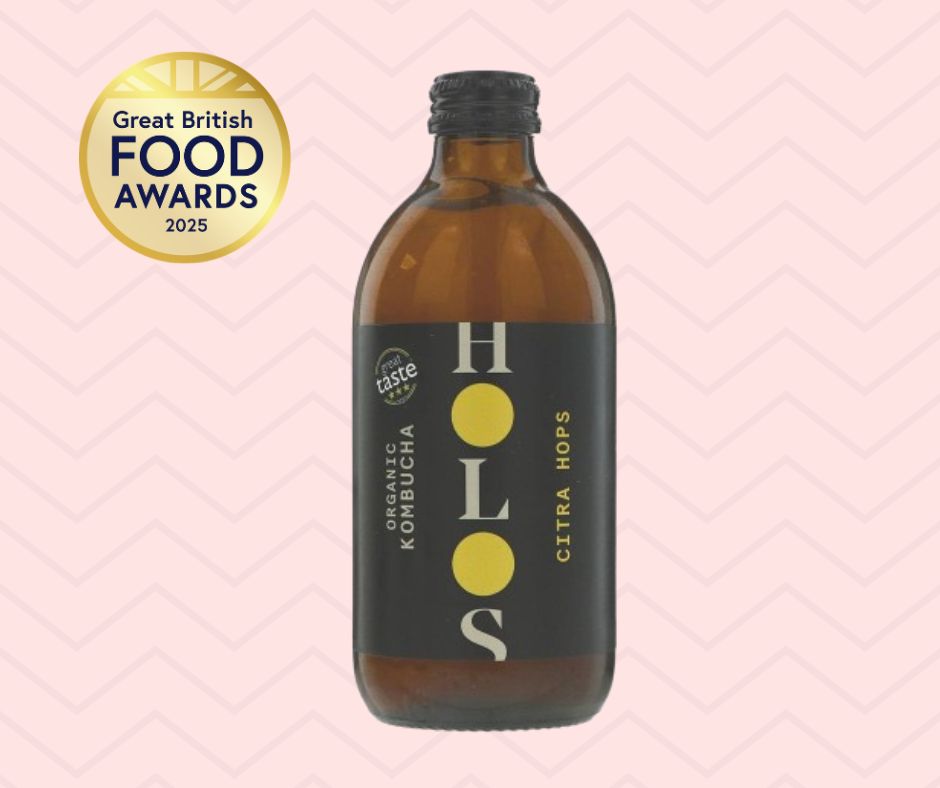
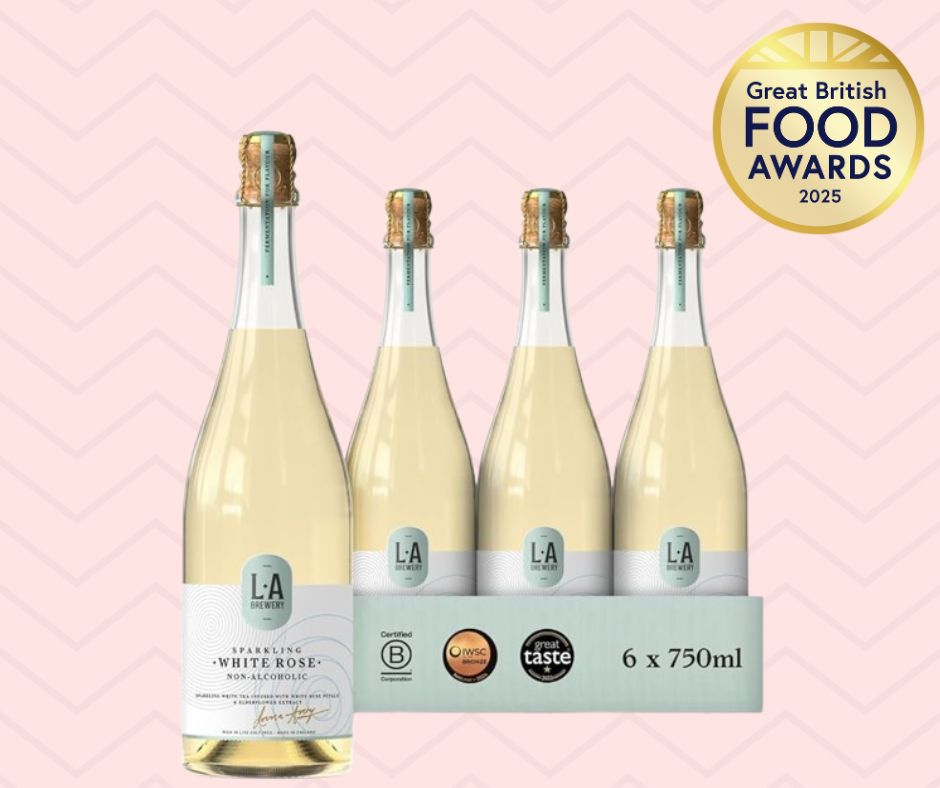
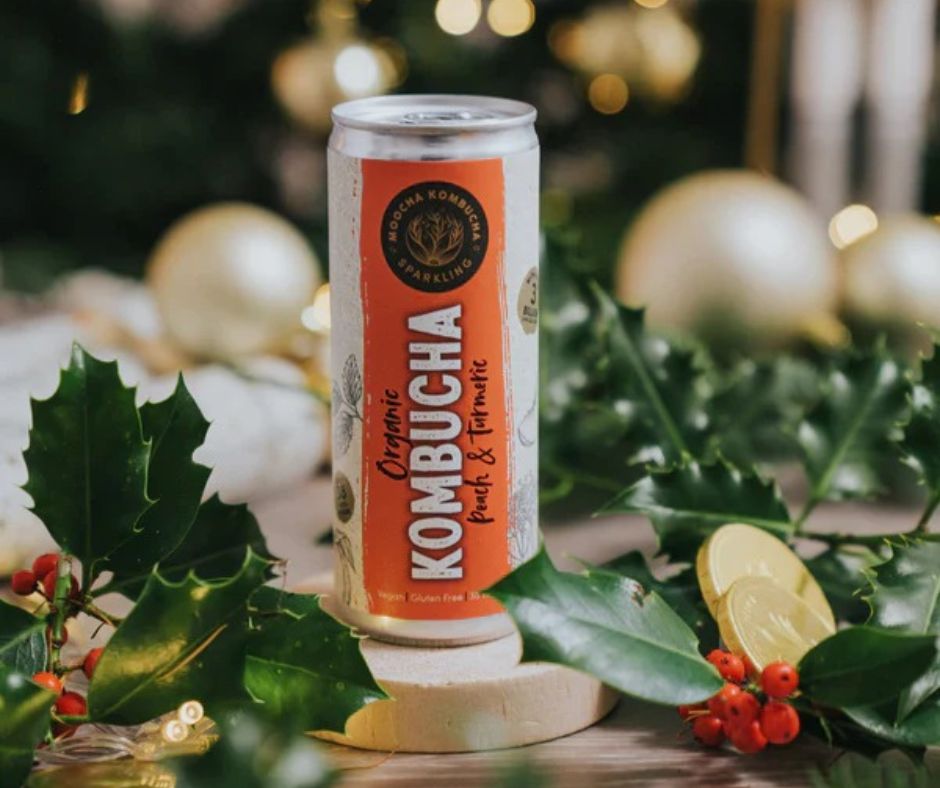
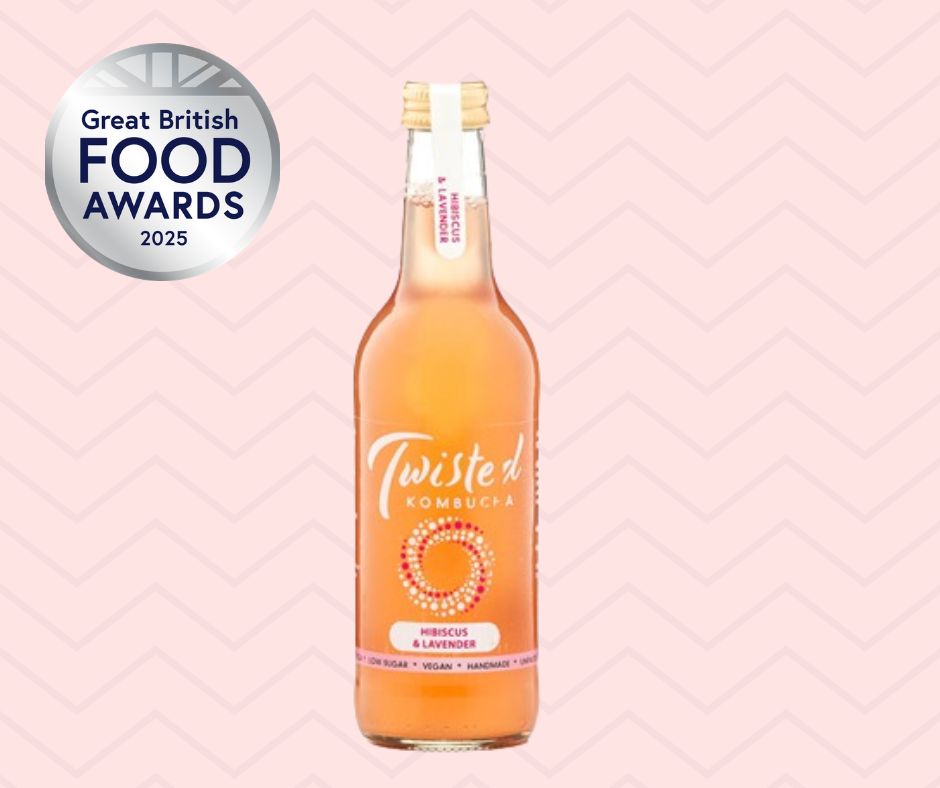
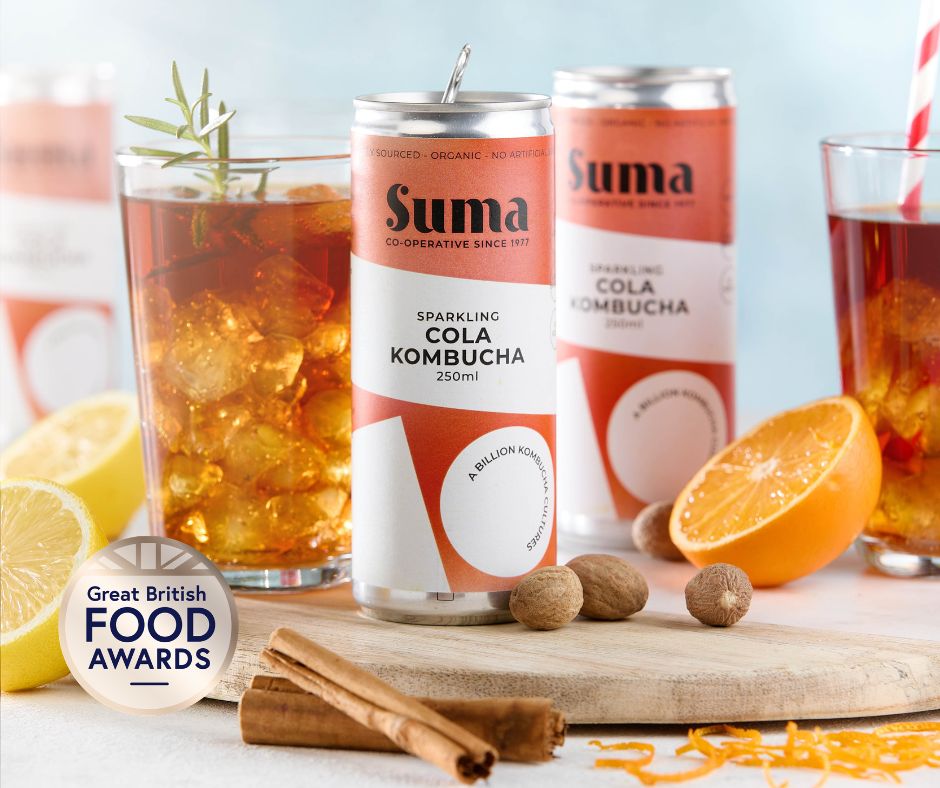
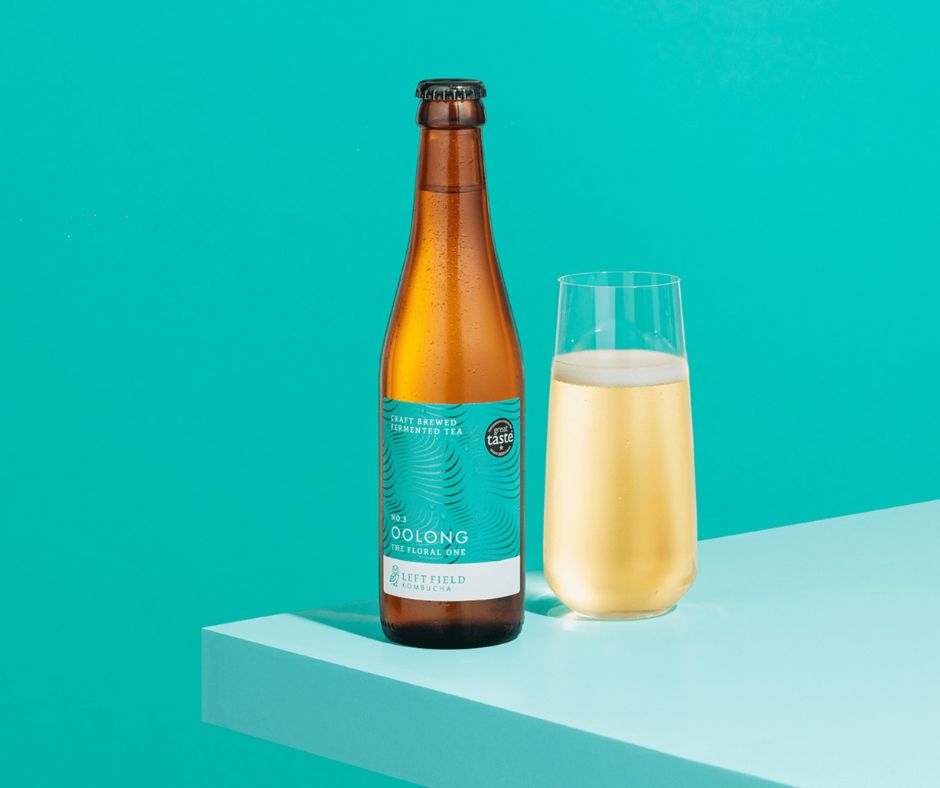
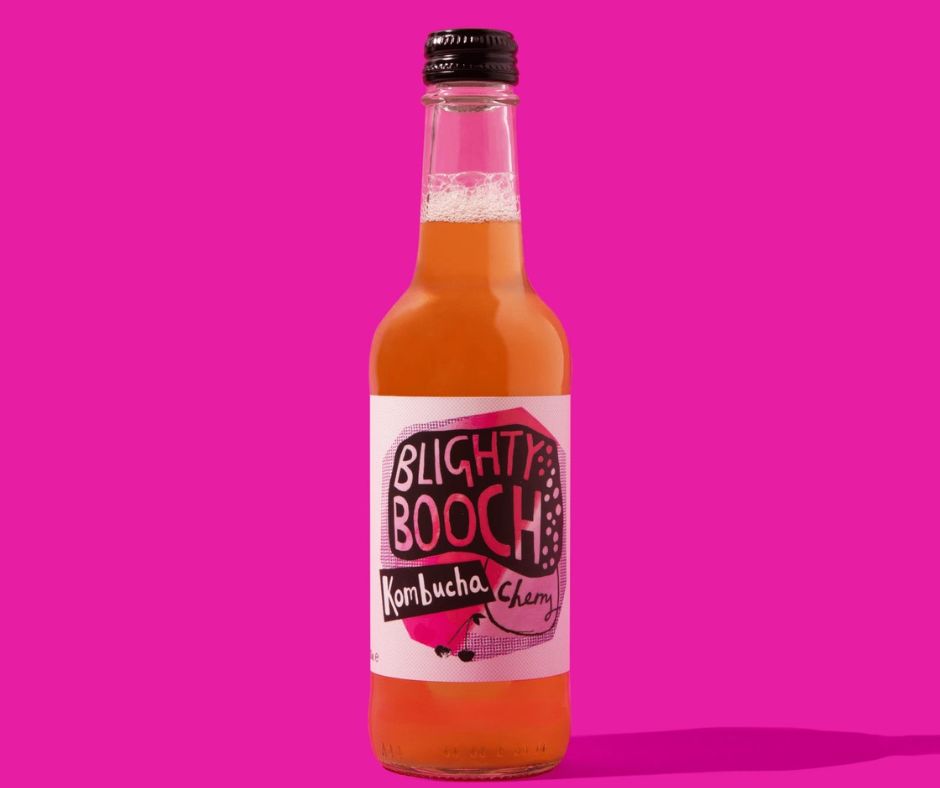
Ready to start your kombucha journey? Here are seven of the best UK-made kombuchas, including organic kombucha, raw kombucha and low sugar kombucha.